Hero
Voice of the community

From Belgium to Armenia: Valéry Safarian on Diaspora, Education, and Innovation

About our Featured Expert

person
Valéry Safarian
Valéry Safarian is the president of the Belgian-Armenian Chamber of Commerce.
Twenty years ago, when Valéry Safarian, president of the Belgian-Armenian Chamber of Commerce, first began persuading Belgian companies to look toward Armenia, he knew the road would be challenging. Few in Europe thought of Armenia as more than a small, distant nation with a heavy past.

“Armenia back then had no image,” Safarian recalled. “Belgian entrepreneurs knew about the Spitak earthquake, maybe the genocide, but nothing really linked to Armenia’s economy. We had to do a lot of lobbying and marketing just to make the country visible.”

blog widget
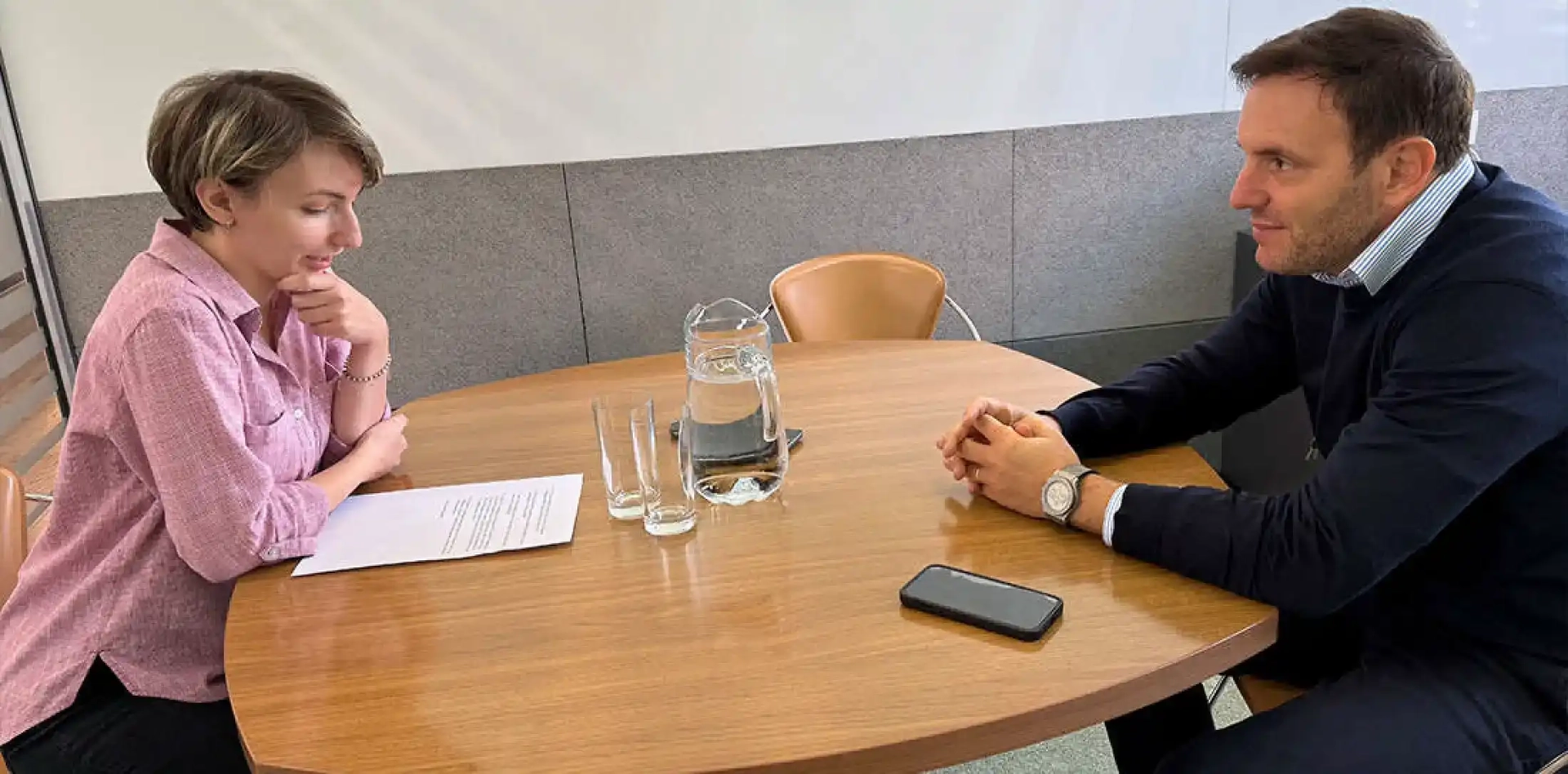
Interview with Valéry Safarian at FAST

His first visit to Armenia in 2003 marked the start of his own journey of rediscovering his ancestral homeland. 


The country was still trying to navigate the post-Soviet transition.  Infrastructure was outdated, investment was rare, and optimism fragile. Two decades later, Safarian sees a different picture — a country defined by tech education, talent, and ambition, rather than tragedy.


“Today, much has changed,” he said. “Armenia, while still balancing between geopolitical turbulence, is becoming a small but promising hub for innovation and technology.”

Building Around Armenia’s Competitive Edge

“When Belgian companies first came here, they weren’t looking to sell. They were looking for talent,” Safarian said. “At first, it was subcontracting. Then it became partnership, and eventually investment.”

That evolution is rooted in one thing: education.

Initiatives such as FAST, and TUMO have reshaped Armenia’s reputation from a small post-Soviet state into a source of creativity and skilled youth.

“That’s why I’m glad to be hosted by FAST,” Safarian said. “You are pushing forward in precisely that direction, developing talent, education and innovation.”

On October 11, 2025, Safarian visited the FAST Creative Campus in Yerevan with a delegation of Belgian entrepreneurs, continuing his two-decade effort to connect Armenia’s emerging innovation ecosystem with Europe.

But the work of persuasion is not complete. 

“Even if Belgian entrepreneurs are more aware of Armenia now, they don’t necessarily put it on their map of destinations,” he said. We still have to motivate them, to help them forecast what they can expect from this market.”

Diaspora and the Question of Belonging: How a Family’s Story Became a Mission

Safarian’s own story mirrors that of many in the Armenian diaspora, suspended between belonging and discovery.

“I was fully educated as a Belgian,” he said. “My mother is Belgian; my father has Armenian roots. We didn’t speak Armenian at home, but my father always reminded us that we should be proud of who we are.”

That pride, however, was inherited long before he ever set foot in Armenia. His grandfather, a diplomat of Persian-Armenian descent, arrived in Belgium in the 1930s as a military attaché under Sahin Reza Shah Pahlavi.

When World War II began, he used his diplomatic position to hide and rescue Allied pilots who had crashed in occupied Belgium, joining the country’s resistance movement against Nazi forces.

“He could have said, ‘It’s not my problem,’ but he didn’t,” Safarian said. “He already had six children at that time. He risked everything — his status, safety — because he believed it was the right thing to do. That example of defending values and acting with ethics stayed with all of us.”

blog widget
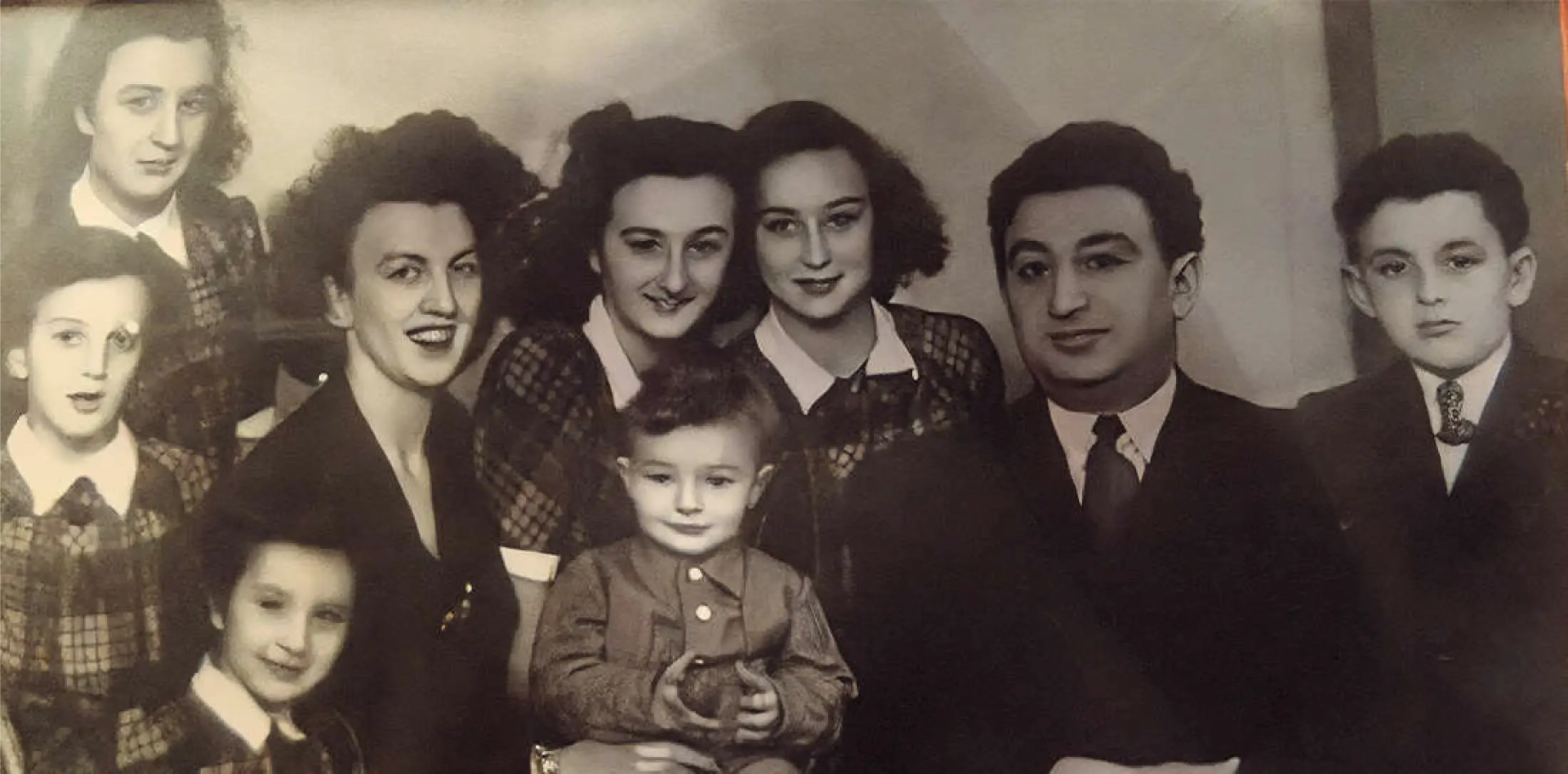
Safarian family, Belgium, 1949 / From family archive

His grandfather’s wartime story was later mentioned in De Terre et de Larmes, a book by A.S. Scheinowitz, and became a touchstone for the family, a lesson in courage and conviction. “That courage, that refusal to stay comfortable, being a fighter and a leader. I think that passed through to our generation.”

His first visit to independent Armenia in 2003 with his wife, Sara brought that legacy full circle.

“Visiting Armenia gave me the framework to understand what being Armenian really means,” he said. “It wasn’t through Armenian associations or cultural centers in Belgium. It was through the people, through connecting with the country itself.”

That connection now defines his work. “It’s what motivates me to lead the Belgian-Armenian Chamber of Commerce and to support FAST and other initiatives in Armenia. This country has been — and will continue to be — a hub for people of Armenian heritage seeking to reconnect with their roots.”

Why Should Education Be at the Heart of Our Actions?

For Safarian, every business and action is not only about profit but also about purpose.

“I had the chance to be born in a developed country like Belgium,” he said. “But who knows? I could have been born and educated in poverty, on another continent or in another city. Those of us who were privileged to grow up in stable environments must think about those who were not as fortunate and help them.”

That, he believes, is where the duty to give back begins, and the most meaningful way to do it is through education.

“When we talk about ESG,” he said, referring to environmental, social and governance standards, “the ‘S’ — social — should mean education. Companies must invest in education.”

“We have the ability to use our resources to help others, to educate them and give them a chance to build better lives,” he said. “That’s why I believe every entrepreneur’s responsibility begins with investing in education.”

Going Back to Paris: How Generation AI Brings Armenia’s Story to the World

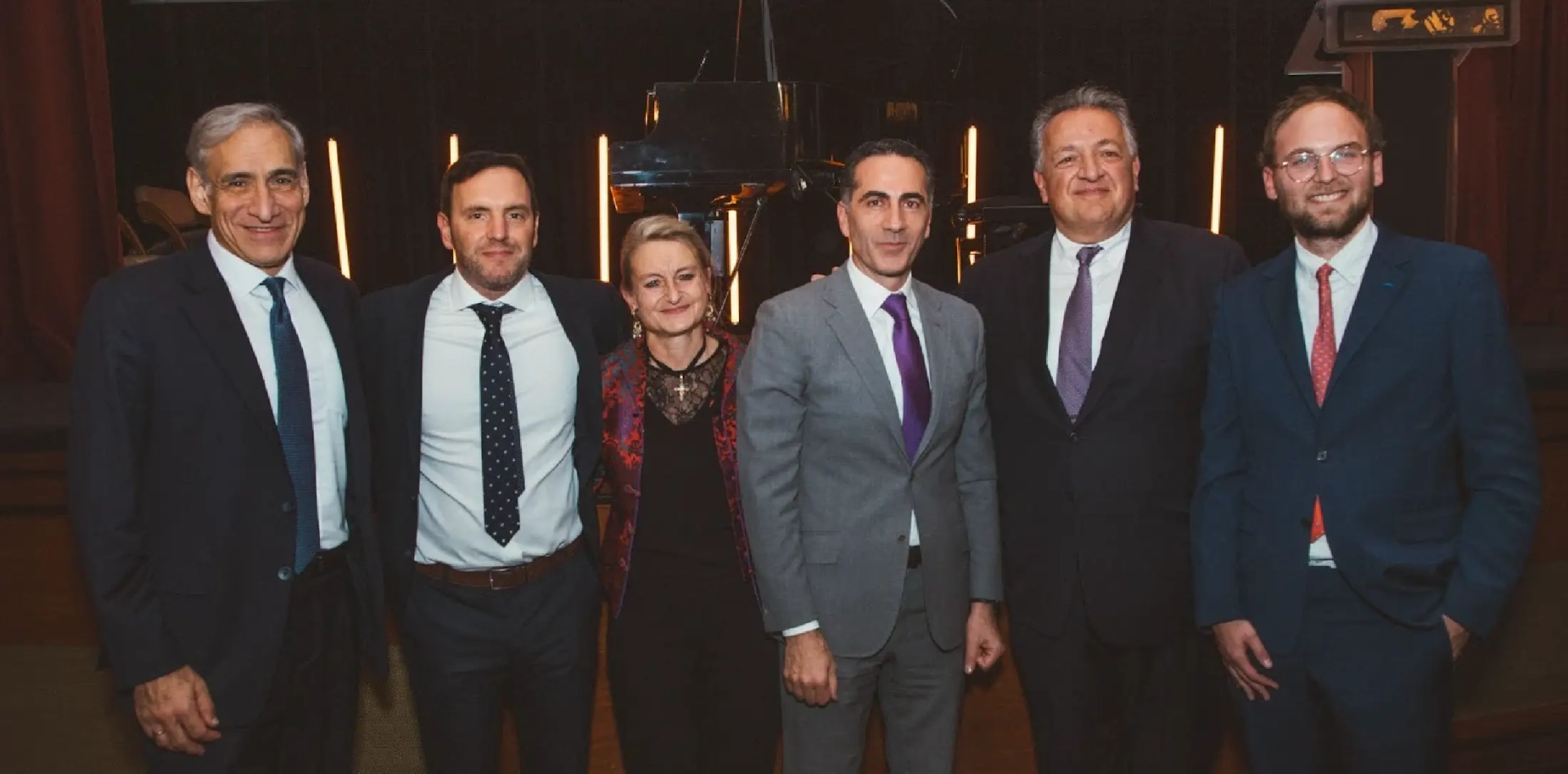
In November 2024, Valéry Safarian co-chaired the FAST Advance Armenia Gala in Paris alongside his close friend, Gabrielle Gauthey, high representative of the chairman and CEO of TotalEnergies to the European Institutions and a member of FAST’s Board of Advisors.

The event united global entrepreneurs, philanthropists and diaspora leaders around Generation AI, an initiative that has made Armenia one of the first countries in the world to integrate advanced AI education into public schools across all regions.

blog widget
Advance Armenia Gala, Paris, Nov. 16, 2024

Two months earlier, and only a year after its launch, Generation AI had been featured at UNESCO headquarters in Paris, a milestone that placed Armenia’s AI education model on the global stage and signaled its growing role in shaping future-ready talent.

“There was such positive energy,” he said. “We were all still in the trauma and chaos of Artsakh, but that evening was about showing how Armenia is moving forward. People left enthusiastic, believing again.”

He acknowledged that parts of the diaspora have grown disillusioned after years of unfulfilled promises. “The diaspora has sometimes felt used,” he said. “But when they see serious organizations like FAST, backed by people with credentials, they believe again. Communication is key. The fact that FAST leaders are traveling and meeting diaspora leaders helps to strengthen trust and collaboration.

For Safarian, bridging Belgium and Armenia is not only about business and economic ties. It is about continuity. From his grandfather’s legacy to his own work connecting two worlds, the thread remains the same: action grounded in values and vision.